Frequently Asked Questions
-
Master of Art Therapy
Western Sydney UniversityProfessional Development Sandtray Therapy Training Course
Institute of Therapies for Emotional TransformationActive Sandplay Foundational Course
Mandala Creative TherapyCreative Interventions - Symbol and Sandplay Therapy
Institute of Therapies for Emotional Transformation -
Location: 321 Blaxland Road, Wentworth Falls, NSW
Days: Tuesdays, Wednesdays + Thursdays -
Location: Penrith CBD
Days: Saturdays (during school term time) -
People seek creative therapy for a wide range of reasons. While every journey is unique, common themes include:
Stress & Burnout
Anxiety & Worry
Relationship Difficulties
Emotional Dysregulation
Identity & Life Transitions
School & Academic Struggles
Grief & Loss
Somatic Symptoms & Disconnection
Disability & Empowerment
Neurodivergence (Autism/ADHD)
Addiction & Compulsive Patterns
Childhood Trauma
Trauma & PTSD
-
Every therapeutic session is different because I help to create the conditions for people’s own creativity to come forward. I support each person in choosing what they would like to explore and which creative processes they would like to engage in during each session.
With children and young people, sessions can involve a combination of sandplay, art‑making, play, and conversations.
-
Every therapeutic session is different because I help to create the conditions for people’s own creativity to come forward. I support each person in choosing what they would like to explore and which creative processes they would like to engage in during each session.
With adults, sessions involve talking, and when the person chooses, creating sand trays or art‑making. When creative processes are used, the sessions can also include a reflective process. During reflection I support the person in exploring their sand tray or artwork and in discovering their own insights and meaning.
-
Initial parent/carer session (75 mins)
First, I meet with parents and carers to discuss why they are seeking therapy for their child and what they hope the process will achieve. In this initial meeting I also explain in detail how I work with children and answer any questions the parents or carers may have.
Regular weekly or fortnightly sessions
Afterward, I begin one‑on‑one work with the child. In these sessions—typically weekly at first and then possibly fortnightly—I support each young person in choosing what they would like to create and explore during each session. By allowing children and young people to focus on the themes most relevant to them, the therapeutic process supports them in expressing emotions, processing experiences, growing, developing, and healing.
Regular phone conversations with parents/carers
Throughout the therapeutic process I speak regularly with parents and carers on the phone. In these conversations I discuss what is happening during the sessions and I’m interested in hearing from parents and carers about what they are noticing in the child’s life.
-
As a registered Art Therapist, I can provide services under the NDIS Capacity Building – Improved Daily Living, Early Intervention Supports (for children under 9), and Therapeutic Supports (over 9 - adults) categories. Participants with self-managed or plan-managed NDIS plans can access therapeutic supports at Wayfinding Creative Therapy.
Please note: Wayfinding Creative Therapy is not an NDIS-registered provider, so I cannot invoice agency managed plans.
All pricing aligns with current NDIS Price Guide limits.
-
I work with people who have a range of diagnoses, including attention‑deficit/hyperactivity disorder (ADHD) and autism spectrum disorder (ASD).
My approach centres on recognising each person’s needs and building a trusting relationship in which they feel comfortable. I support each person in choosing what they would like to create and explore during each session. In this way, the therapeutic process is unique to the individual and supports them in their experiences.
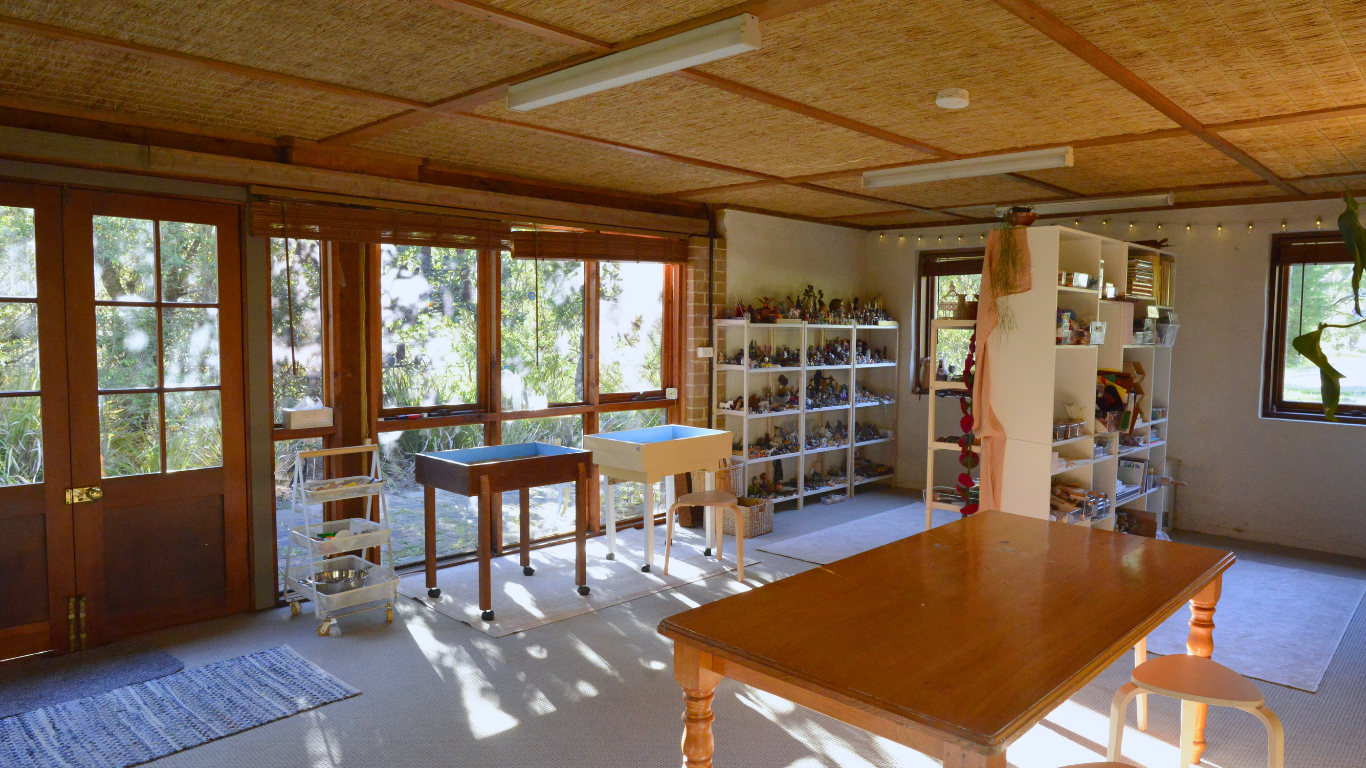
In addition, my studio is situated in a quiet bush setting. The tranquil natural setting is a low-stimulus environment. My studio is spacious and laid out into distinct spaces—a sitting area with comfortable chairs and bean bags, an art‑making area, and a sandplay area—offering people the freedom to move and choose where they would like to be and what they would like to engage in.